All Categories

Get in touch

How to Choose Heat-Seal Paper Lids That Match Your Paper Cup Specifications.

2026-05-16 14:33:54
How to Choose Heat-Seal Paper Lids That Match Your Paper Cup Specifications.

The heat-seal paper lids bring revolution on the packaging of instant foods. A heat-sealed paper lid will seal snugly on your cup rim which serves as leak proof and tamper evident seal. However, not all lids fit every cup. Mismatched dimensions, rim profiles, or sealing parameters can lead to seal failure, customer complaints, and production interruptions. Here below guide for you how to select ideal heat-seal paper lids.

Understand Your Cup’s Rim Diameter and Profile

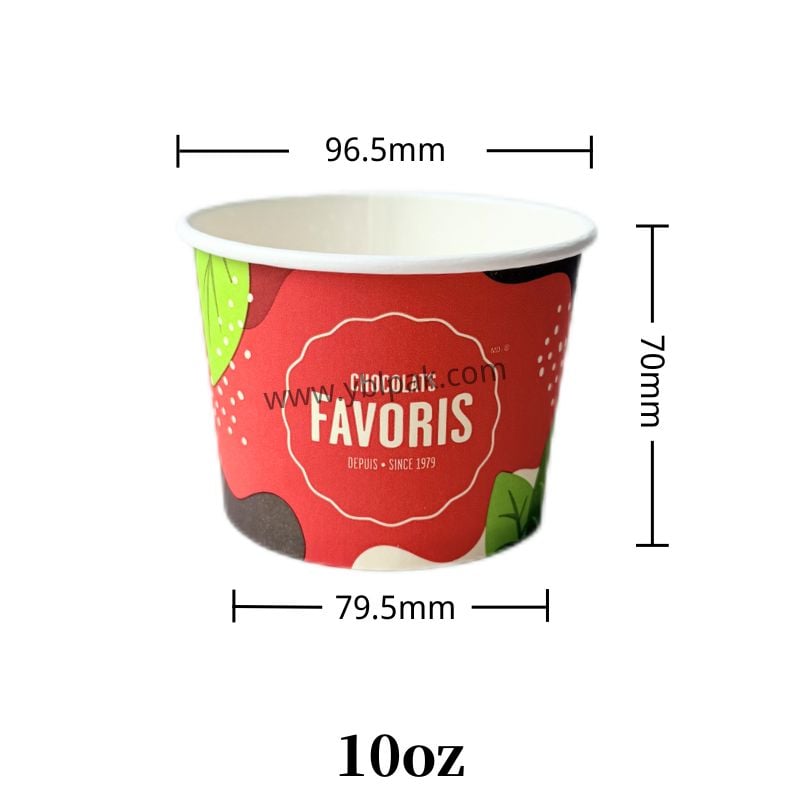
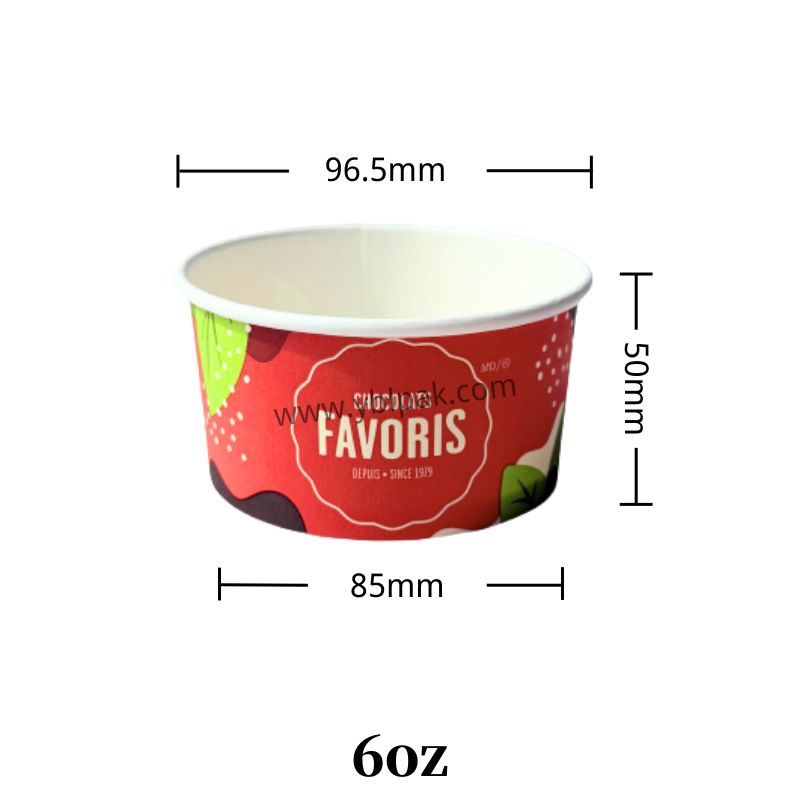
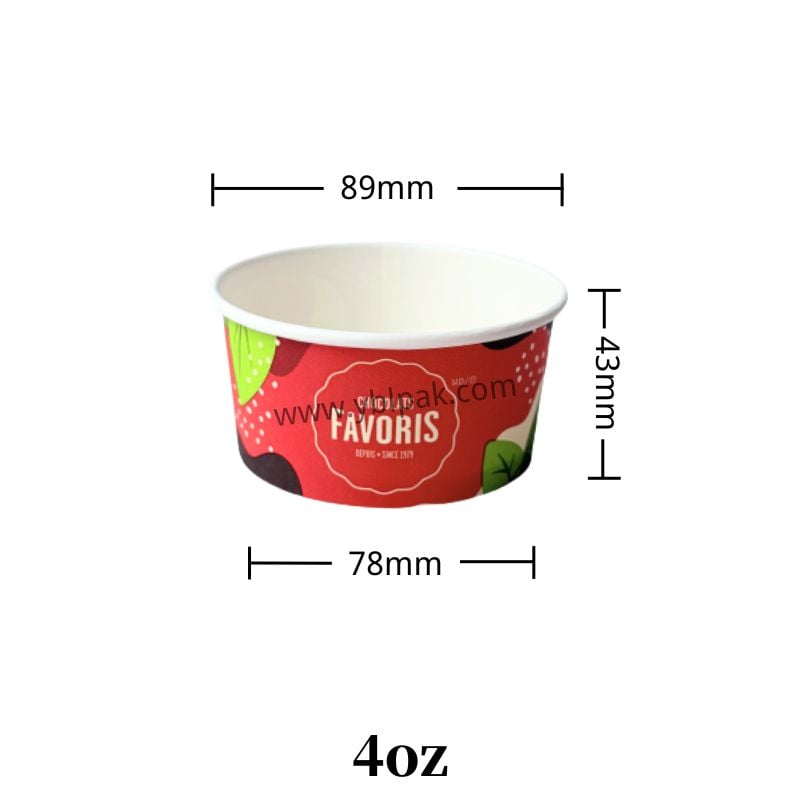
Cup rim diameter and profile are one of the critical factors on whether lids fit well with your cups or not, and even 0.5 mm gap could fail seal. Using a caliber or measuring tool to measure outer rim of your cup. There are several standard dimensions for cup rim diameter as listed: 70mm, 78mm, 85mm, 90mm, 95mm, 98mm, 110mm for large paper bowls.

Also take the look of the cup rim into account. Some cups have smooth, flat rim, while some of the rims are slightly curled and stepped. It is critical for you to choose a lid that matches with the diameter and rim profile, it needs to be heat-sealed to achieve seal effectiveness. It will fail if you use lid which is fit for flat rim to seal for curled rim. Always make sure to check your cups and lids if they match if they are from separate suppliers; it is always better to use sample and test seal first.

Match Lid Material and Coating to Your Cup’s Construction

You need to ensure your lid is made from and coated with the correct material to perfectly match the cup's structure. A coating (usually polyethylene (PE), polylactic acid (PLA) or specialized sealing lacquer) liquefies under a certain heat, and your cup rim has to be coated with suitable material to seal. If the cups have PE coating on, then you have to use PE coated lid; if the cups have PLA coating, then the best choice for you would be PLA based lids. The wrong material leads to incomplete or no seal at all.

When use with double wall paper bowls and single wall paper cups, ensure what coating the cups have with cup manufacturers. Yibaili Package Material Company, for example, offer cups and bowls in PE and PLA coated material, and provides heat-seal paper lids in matched material and specification produced from same production line; so compatibility issue is already solved. For those wishing to take steps to a more compostable packaging solution, PLA based systems are ideally suitable.

Verify Sealing Temperature, Pressure, and Dwell Time

Despite having a matched cup diameter, profile and material-your lid could be sealed defectively if your sealing machine isn't properly calibrated. Three variables that contribute to efficient sealing:

Temperature: Range normally is between 160 °C- 220 °C depending on coating, if it’s below, the seal may not be achieved. Higher value may cause coating burn out or even cause the paper burning. Pressure.

Pressure: Sealing head has to exert an evenly distributed pressure across entire cup rim; uneven pressure causes poor sealing.

Dwell time: This is amount of time the sealing machine keeps applied heat and pressure, typically it's 0.5 to two seconds; too long causes weak paper with low tear strength.

Get the sealing parameters suggestion from your lid supplier. For all the Yibaili’s heat-seal paper lids, there are technical data sheets showing recommended temperature and pressure settings. Please test on your induction cooker paper bowl and instant noodle cup in real situation before placing bulk order.

Assess Peel Strength, Leak Resistance, and Tamper Evidence

A heat-seal lid has three major functions throughout the product life cycle from production line to final consumers.

Peel Strength: The lid must have sufficient strength to avoid peeling off when handling and transporting, while be peelable by end-user, ideally in a pleasant way. If a lid is too difficult to peel off then its use to consumer is rather inconvenient; too weak, lid will likely peel off accidentally.

Leak Resistance: Fill the cup with hot water/soup, then seal on with the lid and put it upside down to see if it leaks. In order to measure the long term seal degradation, check after 15, 30, 60 minutes.

Tamper Evidence: There should be also some form of tamper evidence in consideration for consumer security, thus the lid must show that it has been opened prior to purchase in some way.

High quality lid manufacturer such as Yibaili would test peel strength and leak resistance for each and every batch. Check quality control of your suppliers, and test your lid samples at the suppliers’ factory if you can or get them to be tested in a third party laboratory.

Conclusion: Choose a Supplier That Controls Both Cups and Lids

Last but not the least, only when your paper cups and lids are sourced from the same supplier can the most reliable and secure seal be ensured. Founded in 2003 by Mr. Rogy Lim, Yibaili Package Material Company produces a full range of instant noodle paper cups & bowls, heat-sealing paper lids, induction cooker paper bowls, paper cups, paper bowls, paper boxes, containers, bags, cutlery and plastic products. Having many years of experience in the industry beginning as a small paper cup reseller and repacker in 1998, Yibaili is well aware of the extensive problems that mismatch can bring.

Talk to Yibaili today about your paper cup dimensions and let their experienced technical team recommend the heat-seal lid that you are looking for. Perfect cup-to-lid matches on dimension, material coating, sealing parameters and quality testing ensure a secure and satisfying customer experience at every stage.

Related Search